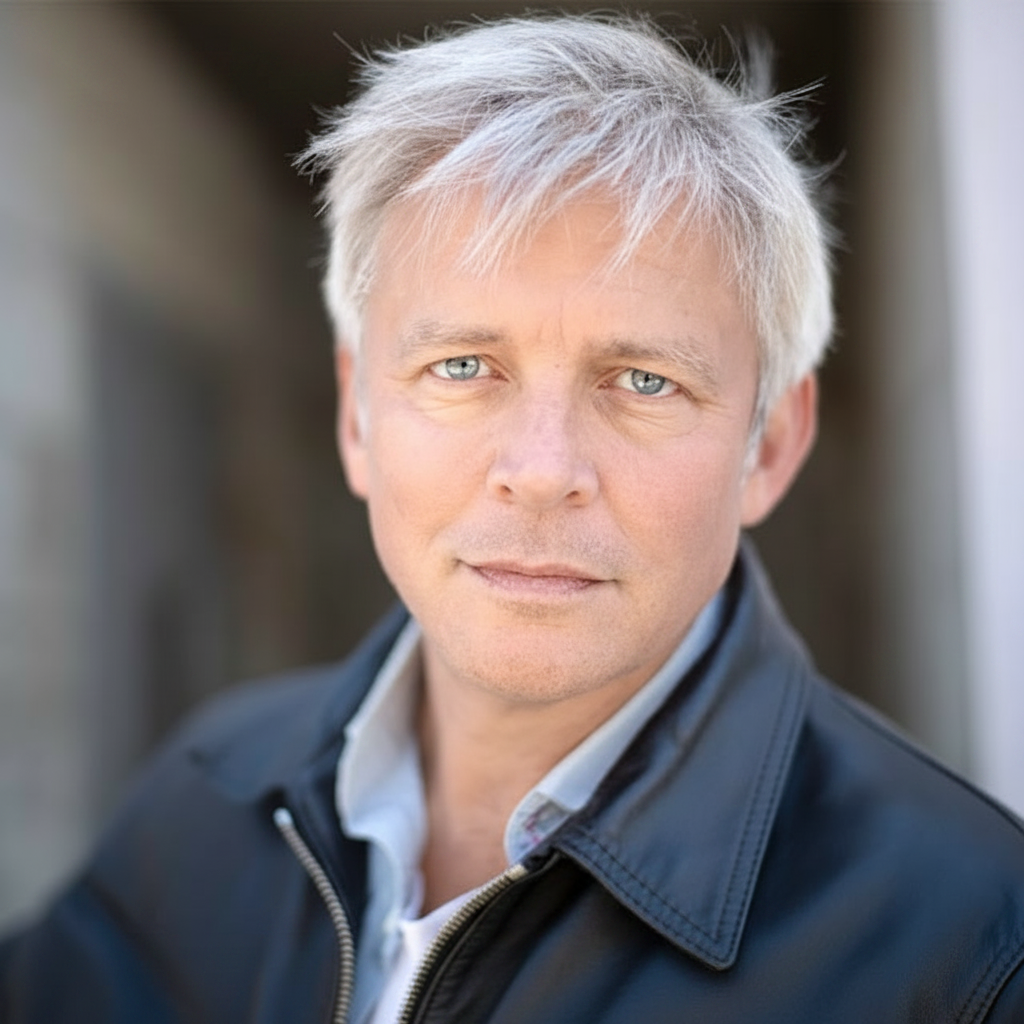
Pioneering technologist & virtual world innovator, Philip Rosedale founded Linden Lab & created Second Life. Now back as CTO, he brings decades of expertise in immersive tech to drive the platform's next chapter.
Philip Rosedale is a pioneering technologist, entrepreneur, and virtual world innovator with a BS in Physics from the University of California, San Diego and a lifelong passion for coding that began in middle school. In 1994, he built FreeVue, which led to his appointment as CTO of RealNetworks during the first wave of the internet. In 1999, he founded Linden Lab and created Second Life, one of the most groundbreaking and enduring virtual worlds ever built, serving as CEO for over a decade and growing it into a landmark platform in online social interaction and digital economies. Following his tenure at Linden Lab, Philip launched several experimental ventures, including LoveMachine, Worklist.net, and Coffee & Power, demonstrating his continued drive for innovation. In 2013, he co-founded High Fidelity, an open-source virtual reality platform built on early spatial computing research involving MEMS gyroscope technology that would later influence devices like the Oculus Rift, before pivoting the company in 2019 to focus on spatial audio technology. From 2022 to 2024, Philip led a San Francisco-based lab exploring emerging technologies, including the FairShare digital currency project, a group-based digital currency initiative designed to promote basic income and reduce wealth inequality, as well as CIMC.ai, a research initiative focused on machine consciousness. In October 2024, he rejoined Second Life as CTO, bringing his decades of expertise in virtual worlds, immersive technology, and platform development to support the platform's next chapter of growth and innovation.