Machine Learning, Uncertainty, Corporate Innovation , Lifelong Learning, Digital Transformation
What if almost everything you learned about space and spaceflight was wrong? If you are older than 20, that is almost certainly the case. Forget about Antarctic-style Moon and Mars bases or the notion of using the Red Planet as a "Plan B for humanity." But the good news is that we now know that the energy and material resources that surround our island Earth are the key to physical abundance and can provide the means to save and repair our precious biosphere.
What you will learn:
- How to completely change the economics of space operations
- How we can overcome the so-called "tyranny of the rocket equation"
- The gravity well model of the solar system
How:
- We'll explore how using resources already in space can leverage space operations
- We'll learn how exponential manufacturing processes can accelerate space activity and economics
- We'll take a tour of the resources available in our solar system with a particular emphasis on Earth's offshore island, the Moon (and see why there is a new "Moon rush" among commercial and government space programs.)
- You will explore the revolutionary new space markets that go far beyond the old traditional telecommunications and Earth-mapping markets of the last century.
Who this course is for:
- Anyone interested in a multi-decade preview of entirely new markets for products and services enabled by space.
- People interested in how space can protect the Earth's biosphere, combat climate change and provide the ultimate resilience pathway for civilization.
- Anyone interested in learning how the old "flags and footprints" rationale for space is being replaced by powerful economic and environmental opportunities.
- Those who want to understand the underlying reasons for the large space investments of people like Jeff Bezos and Elon Musk.
A few simple but little-known concepts determine what we can and cannot do (or afford to do) in space. Academics have hidden these simple principles behind scary sounding titles like "orbital mechanics" but you will learn the important basics of spaceflight in one session.
Why take this course?
- So you can evaluate space related business plans
- So you can develop an understanding of what is possible to do in space.
- So you can understand which Earth locations are valuable as launch sites.
- So you can make informed policy decisions about space.
How and what you'll learn:
- The basic principles of orbits
- How to change the size, shape and orientation of orbits
- How launch locations on Earth affect the orbital locations you can reach
- How to get back to Earth from space
- How to use inexpensive or free software to practice what you learn in our session to reinforce and perfect your knowledge.
Who this course is for:
- Anyone interested in achieving world domination (or even just boring old market domination) through space activities and businesses.
- People who want to save civilization by using the energy and material resources of space to save the earth and overcome the existing zero-sum game mentality.
- People who want to win bar bets about Hollywood many movie mistakes.
- People who want to clean up space debris, make good space policy decisions or good geopolitical decisions about launch sites on the Earth.
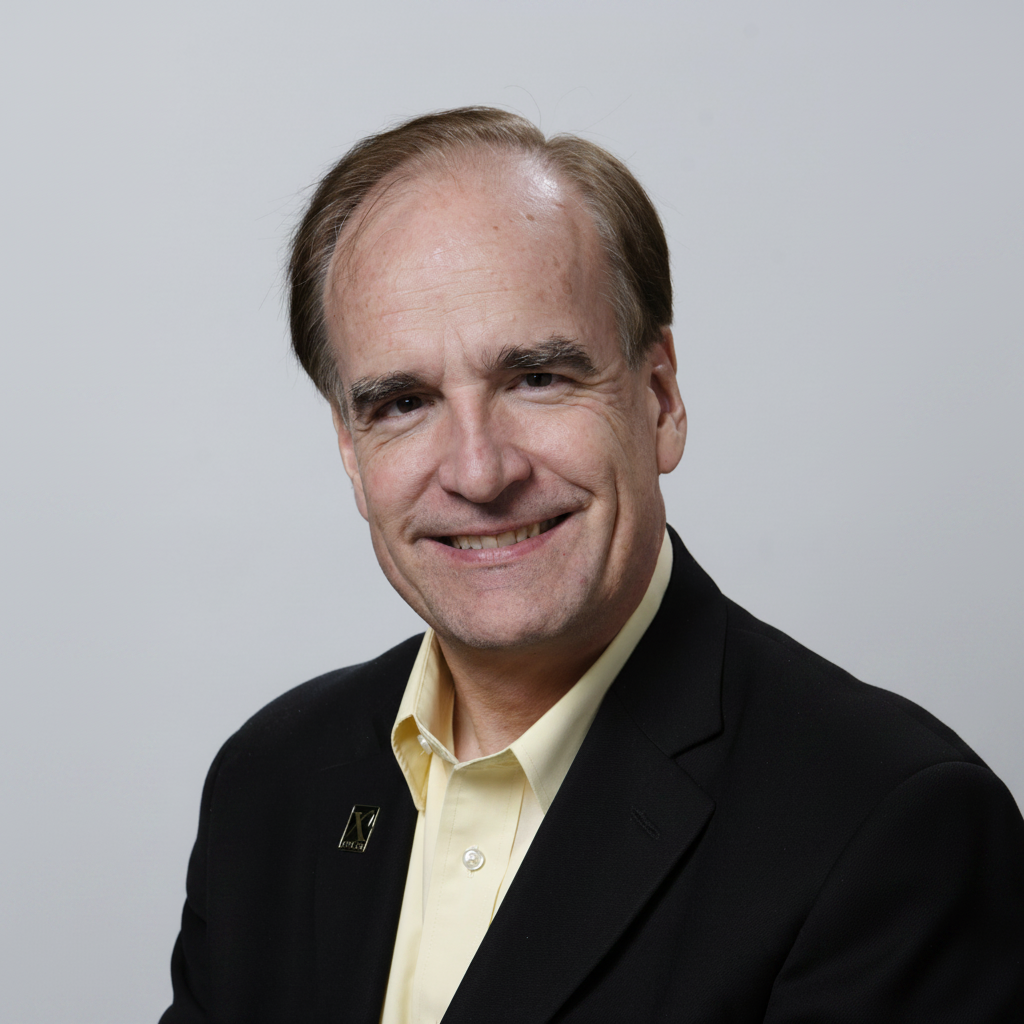
Our species is engaged in an urgent race against the clock regarding energy and the environment. Will we learn to harvest and store and distribute renewable sources of energy in time to avert economic disruption and environmental catastrophe? Will our grandchildren inherit a world of abundance and freedom, or one of scarcity and regimentation? Explore the opportunities and challenges in the energy domain in this presentation.
Why energy is the key to abundance. Why the transition from getting most of civilization's energy from burning carbon fuels is taking so long. What we can do to accelerate the penetration of renewable energy.
What you will learn:
- The relationship between energy and prosperity
- Key Energy surprises: For example, today only 20% of global energy is used to generate electricity.
- Why the main sustainable energy challenge has shifted from conversion of wind and solar to energy storage and energy networks.
- The Seven Secrets of Energy Storage.
- How to access and use energy information
- Where to find information on national and international energy flows and how to use this information to compare countries and other geographical and political differences.
- How to evaluate the characteristic differences in energy demands (for example electricity demand vs. powering long-distance transportation.)
Who this course is for:
- People who want accurate and concise information about present energy sources and uses (and how and why this information varies from country to country.)
- People who want to accelerate the global transition from burning carbon fuels to sustainable energy.
- People who want to understand the near-term and long-term economic opportunities in the energy space.
- Anyone who needs to make policy or economic decisions about energy.