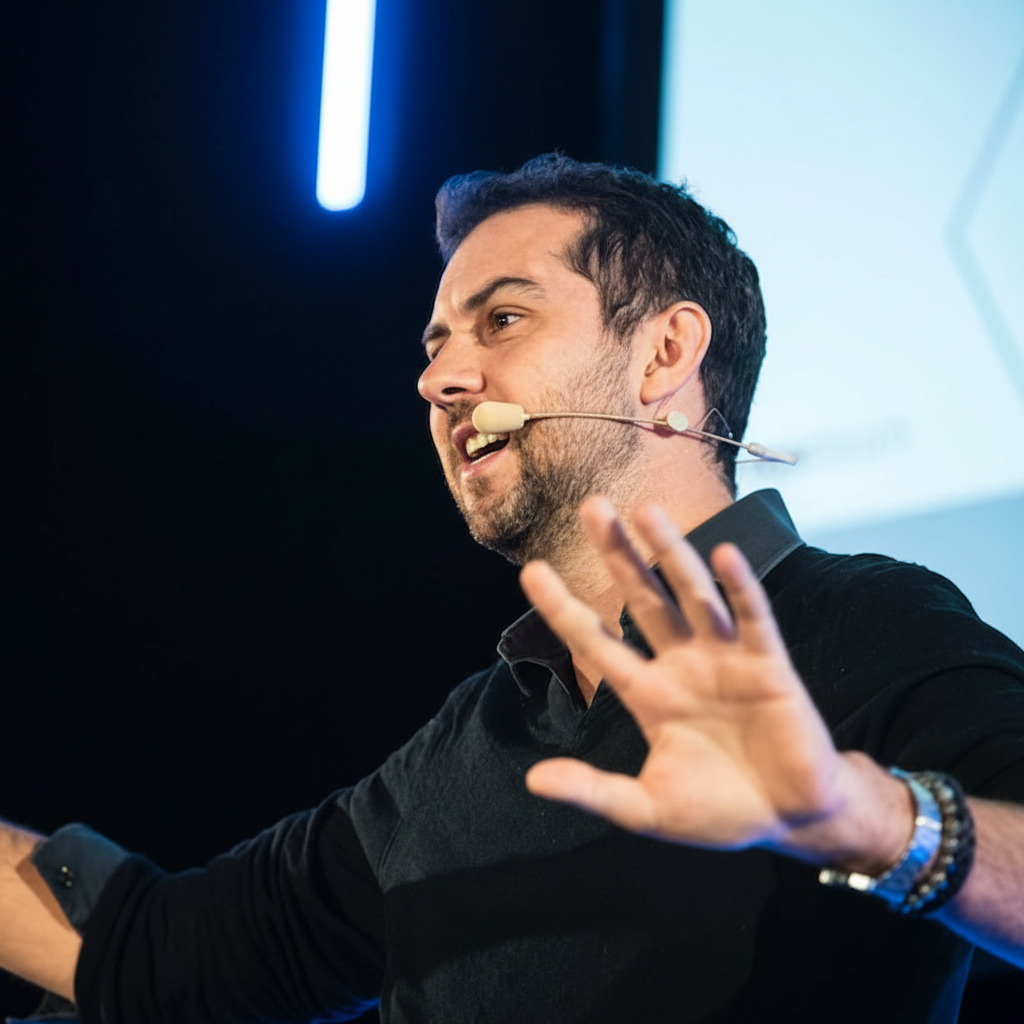
PhD AI expert, Chief AI Officer at WPP & CEO of Satalia. 25+ years experience, UCL doctorate, top 10 CAO globally. Advises on AI strategy, ethics & innovation. TEDx & Google speaker on democratising technology.
Daniel Hulme (PhD) is a globally recognised Artificial Intelligence expert, Chief AI Officer at WPP, and CEO of Satalia, an award-winning AI company that joined WPP — the world's largest marketing company — in 2021. With over 25 years of academic and applied AI experience, Daniel holds a Master's and Doctorate in AI from University College London (UCL), where he previously served as Director of the Applied AI MSc in Business Analytics and now holds the role of Entrepreneur-in-Residence in the Computer Science department. He is also a lecturer at LSE's Marshall Institute and an Impact Board Member at St Andrews University's Computer Science department. Recognised as one of the top 10 Chief AI Officers globally, Daniel advises companies and governments on leveraging AI for business transformation and positive social impact. A serial TEDx and Google speaker, he holds an international Kauffman Global Entrepreneur Scholarship and serves as a faculty member at Singularity University. His expertise spans AI strategy, ethics, the metaverse, emerging technology, innovation, decentralisation, and organisational design. A prolific contributor to books, podcasts, and articles on AI and the future of work, Daniel is driven by a mission to democratise innovation and ensure the benefits of technology are accessible to all.
Sessions
Rethinking AI and its impact on Business and Humanity